Nature Thrives in Relationships
The ecological principle
Everything in nature functions in relationship. Ecosystems are built on constant interaction between species, elements, and systems – where mutual dependence and shared benefit create stability and strength. Symbiosis, mutualism, and interdependence are how ecosystems sustain themselves. Species support one another’s survival. Systems maintain each other’s function. The health of one component is inseparable from the health of the whole.
Why it matters for cities
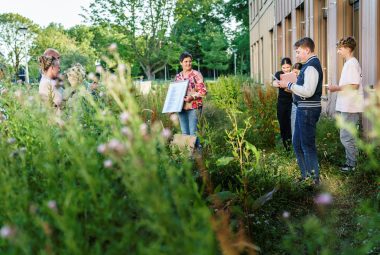
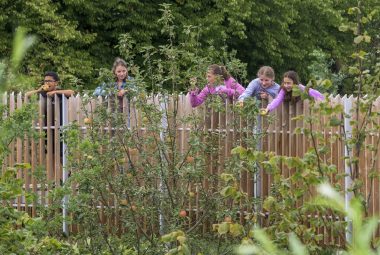
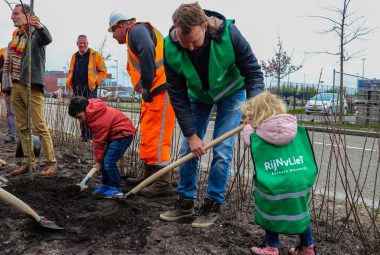
Cities are ecological, social, and cultural systems simultaneously. When these dimensions are designed in isolation – ecology separated from social space, infrastructure separated from biodiversity, public realm separated from community life – systems lose resilience. Spaces are maintained by the people connected to them. Landscapes that serve communities are protected by them.
The goal is to design systems where ecological performance, social life, and cultural meaning are structurally connected. Where one reinforces the other.
How Felixx applies it
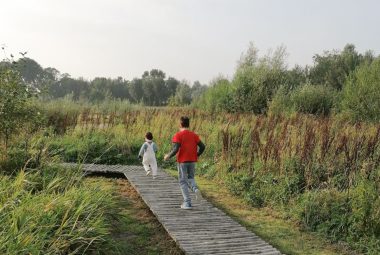
We design relationships rather than objects. A park is a node in an ecological and social network. A waterfront is an interface between urban life and natural systems. Design that creates and sustains relationships – between species and habitat, between community and landscape, between ecology and everyday use – produces environments that remain alive, cared for, and resilient over time.
This is where Natural Intelligence gives back. Systems that support each other – that give more than they take, that create shared value across species, communities, and timescales – are the standard we design towards.
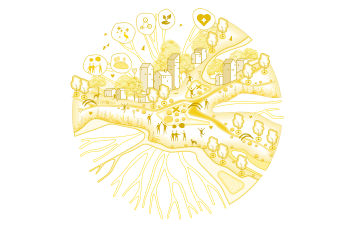
"Nature and people don’t thrive separately. They thrive through the relationships between them."
In nature
Rhizobia bacteria form symbiotic relationships with legume roots, converting atmospheric nitrogen into forms that feed surrounding plant life – mutualism as structural support for entire agricultural and ecological systems. The milpa system (maize, beans, and squash grown together) demonstrates the same principle at a human scale: each species supports the others, creating a self-sustaining productive community where each thrives through the others.