Nature is Self-Regulating
The ecological principle
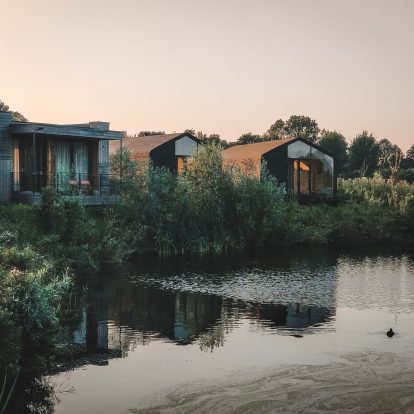
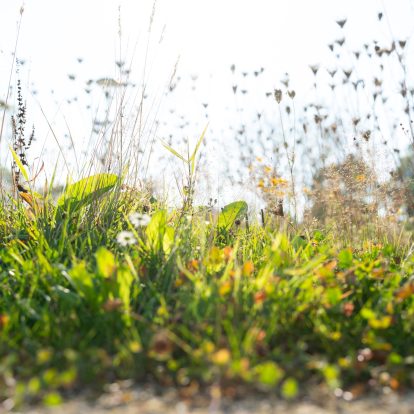
Natural systems maintain their own balance. Through feedback loops, biological processes, and the efficient redistribution of energy, ecosystems regulate water flows, sediment, temperature, and biological composition without constant external input. Vegetation slows and filters runoff. Soil absorbs and releases moisture. Predator-prey dynamics control population cycles. These are the system maintaining itself.
Why it matters for cities
Cities are designed around technical control: pumps, pipes, HVAC systems, irrigation schedules, maintenance contracts. These systems are resource-intensive, energy-dependent, and increasingly inadequate in the face of climate extremes. They fail under duress precisely because they are not self-correcting.
Self-regulating landscapes reduce this dependency. When natural processes are allowed to do part of the work – managing water, moderating heat, building soil health – urban systems become more resilient and better able to absorb extremes.
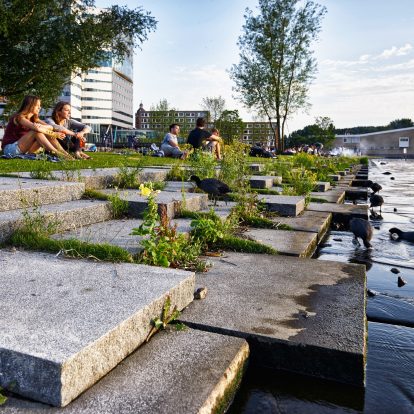
How Felixx applies it
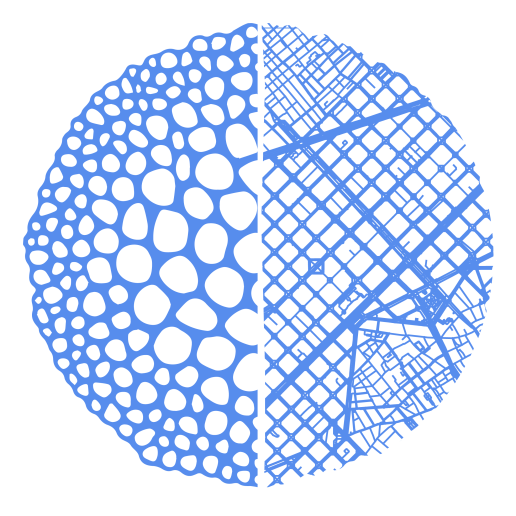
Where the heroic tradition of landscape architecture turned water into land, we take a more humble position: creating the conditions for nature to regulate itself. Our role is to establish the spatial and ecological framework within which natural processes can operate. This means resisting over-engineering — using topography, soil structure, and vegetation to manage water before reaching for pipes; using soft edges and gradients to absorb change before hardening boundaries.
Self-regulation coexists with designed civic and cultural space. Boundaries are necessary to maintain safety, manage transitions, and prevent the degradation of systems under pressure. The discipline lies in knowing where to intervene and where to step back.

"We don’t control nature. We design the conditions for it to regulate itself."
In nature
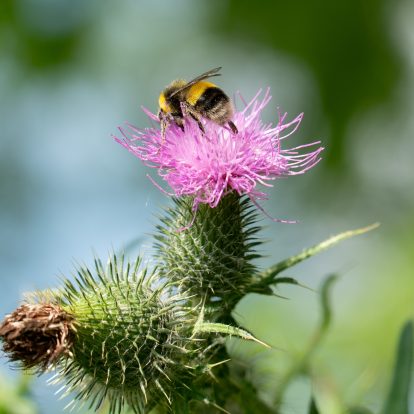
Sphagnum moss stores more carbon globally than any other plant group, forming self-sustaining peat bogs that require no fertilisation or energy input. It regulates itself – and in doing so, regulates the climate around it. Lichen colonises harsh, nutrient-poor surfaces with minimal resource demand – sequestering carbon, filtering air, and monitoring pollution as a byproduct of simply existing.